Helping students thrive in the classroom does not require major course redesign. Small, intentional choices can improve belonging, engagement, confidence and academic success. The strategies below are organized by the amount of preparation required, allowing you to choose approaches that fit your teaching style, schedule and course design.
Why Classroom Well-Being Matters
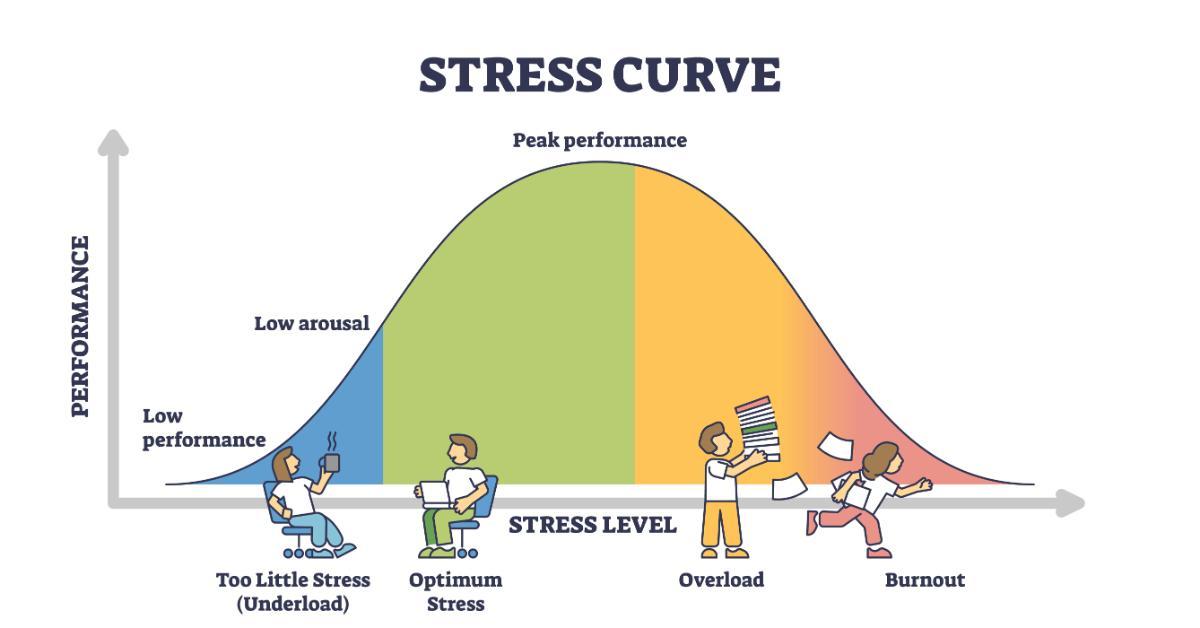
Students learn best when they experience an appropriate level of challenge. Too little challenge can lead to disengagement, while excessive stress can interfere with learning and performance. By creating supportive learning environments and reducing unnecessary barriers, instructors can help students remain engaged and successful. When students feel comfortable approaching their instructors, when they have clear expectations communicated to them, when they have access to available resources, and when there is flexibility, they are in supportive learning environments.
A Table to Inform: Choose Strategies by Preparation Level
-1200x800.png)
Quick Wins
Simple practices that can be incorporated into almost any class with little or no advance preparation.
- Create a Supportive Classroom Climate - Share your own learning experiences when appropriate and reinforce your confidence in students' ability to succeed.
- Class Check-Ins – Quick confidence polls. Ask students what concepts are still unclear. Invite questions before moving on, ask if there is a topic they would like to dig deeper on or ask students to rate their understanding before class ends.
- Mindfulness and Stretch Breaks – Begin class with a 1-2 minute breathing, grounding or gratitude exercise. Pause briefly during long lectures or labs to allow students to stand, stretch and refocus.
- Resource Reminders – Student hours. Academic support services. Student health and well-being resources. Educate students about the Student Absence Notification process for situations that may impact class attendance. Reinforce that asking for help is a normal part of learning. Visit the student resource webpage for a list of resources.
- Promote Campus Events – Highlight events from Faculty Champion communications. Mention wellness initiatives such as Mental Well-Being Awareness Week. Encourage participation as a way to build connections and community.
.png)
Classroom Boosters
Ideas that take a small amount of planning but offering meaningful benefits for engagement, connection and well-being.
- STAR Certification – Join a cohort of faculty who have become STAR (Supportive, Timely, Attentive and Respectful) instructors.
- Support Resource Awareness – use Simple Syllabus, add support statements to your syllabus and Canvas course, present a recurring resource slide, and use open class time for student well-being presentations. Request a presentation.
- Belonging and Connection - Use small-group discussions to help students connect with peers. Incorporate brief activities that encourage conversation and community building.
- Class Pulse Check – Go a bit deeper on the class check-ins. Use TopHat, Canvas surveys or comment cards to collect anonymous feedback on students’ sense of belonging, workload, classroom climate and overall course experience throughout the semester. Review trends and make adjustments as needed.
- Test Anxiety and Academic Resilience – Share study strategies, normalize help-seeking and connect students with academic and well-being resources. Offer practice exams, sample questions and review sessions.

Course Design Strategies
Course design decisions that can have a lasting impact on learning, belonging and student success.
- STAR (Supportive, Timely, Attentive and Respectful) Certification – Earn STAR Certification to create a supportive, responsive and respectful learning environment that demonstrates a commitment to student success and effective course design.
- Flexible Course Policies – Automatic extension tokens. Grace periods. Lowest score dropped or selected number of best assignments from total will be counted. Flexibility when timing does not affect learning outcomes.
- Assignment Choice and Agency - When appropriate, provide assignment options such as presentations, projects, videos or collaborative assignments. Create opportunities for students to share perspectives, experiences and backgrounds when relevant.
- Scaffold Major Assignments – Offer checkpoints on large projects, practice quizzes before exams or peer review opportunities.
- Structured Support – Build time into class for reflection, discussion, practice or recharge.
- Design for Belonging and Success - Create course policies, assignments and learning experiences that help students feel supported and connected. Consider opportunities for flexibility, student choice, collaboration, clear communication of expectations and compassionate responses to student challenges, including avoiding requirements for proof during personal crises.
- Purpose and Motivation – Help students see links between course content, career development, personal growth and well-being.
Additional Resources
Faculty looking for additional teaching and engagement strategies can explore resources from the Teaching and Learning Center (TLC), the National Center for Faculty Development and Diversity (NCFDD), and S&T student well-being.